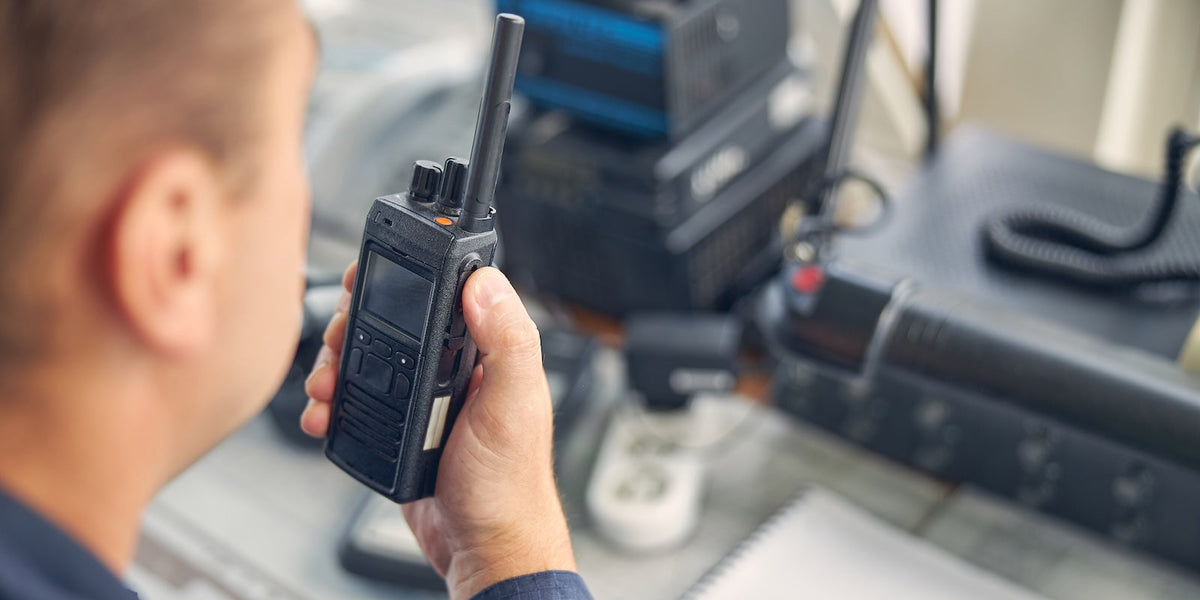
If your ham radio shuts off when transmitting but works fine on receive, it is often seeing a brief voltage sag under load rather than an empty battery. That sag can come from the battery's protection circuit, from resistance in cables and connections, or from a mismatch between the radio's needs and the power source. This guide helps portable and emergency-communications operators sort out which one they have before buying anything.
Short answer. Transmitting pulls far more current than receiving. If the voltage at the radio dips below its acceptable input range, the radio shuts down or resets. The dip can come from a battery discharge-current limit, voltage drop in cables or connectors, or low charge. Measure voltage at the radio during transmit to find out which.
Why a Ham Radio Resets or Shuts Off on Transmit
Receive Works, Transmit Fails
On receive, most radios draw a small, steady current. On transmit, the power amplifier asks for a sudden jump in current, and every weak link between the cells and the radio has to carry it. A setup that looks healthy while listening can fall apart in the first second of a transmission. As one example, ARRL-hosted emergency-power training slides list a 100 W HF transceiver at about 22 A on transmit versus 1.5 A on receive, and they recommend short power cables, fuses at the battery, and regular inspection of cables and contacts.
The Three Usual Suspects
Transmit shutdowns commonly trace back to one of three places. The battery may be low on charge or may trip its protection at the current the radio demands. The wiring may be dropping too much voltage between battery and radio. Or the radio may simply need more than the setup can deliver. Do not assume it is the battery. A loose connector can produce the exact same symptom.
Power is not the only possible cause. Radio-frequency interference (RFI), such as common-mode current on the coax shield, can also make a radio shut down or reset while transmitting. If your voltage readings stay steady and the problem persists, check the radio manufacturer's RFI guidance or contact support.
Why Guessing Gets Expensive
Replacing a battery that was never the problem can cost money and may leave the shutdown in place. A few minutes with a multimeter and the radio's manual can often point you to the right fix first.

Ham Radio Battery Current Limits Versus Capacity
Amp-Hours Measure Runtime, Not Punch
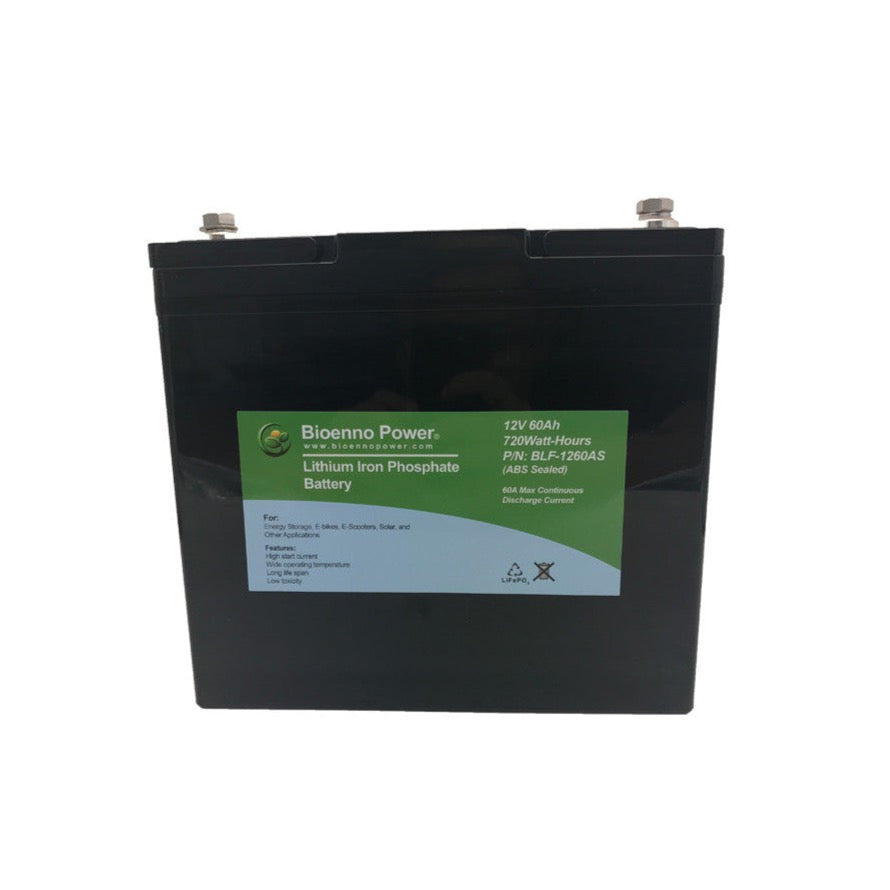
Capacity in amp-hours (Ah) or watt-hours (Wh) tells you how long a battery can run a load. It does not tell you how much current the battery may deliver at one moment. A battery with plenty of capacity can still shut off if the radio asks for more current than the battery is rated to supply.
Continuous and Peak Current Ratings
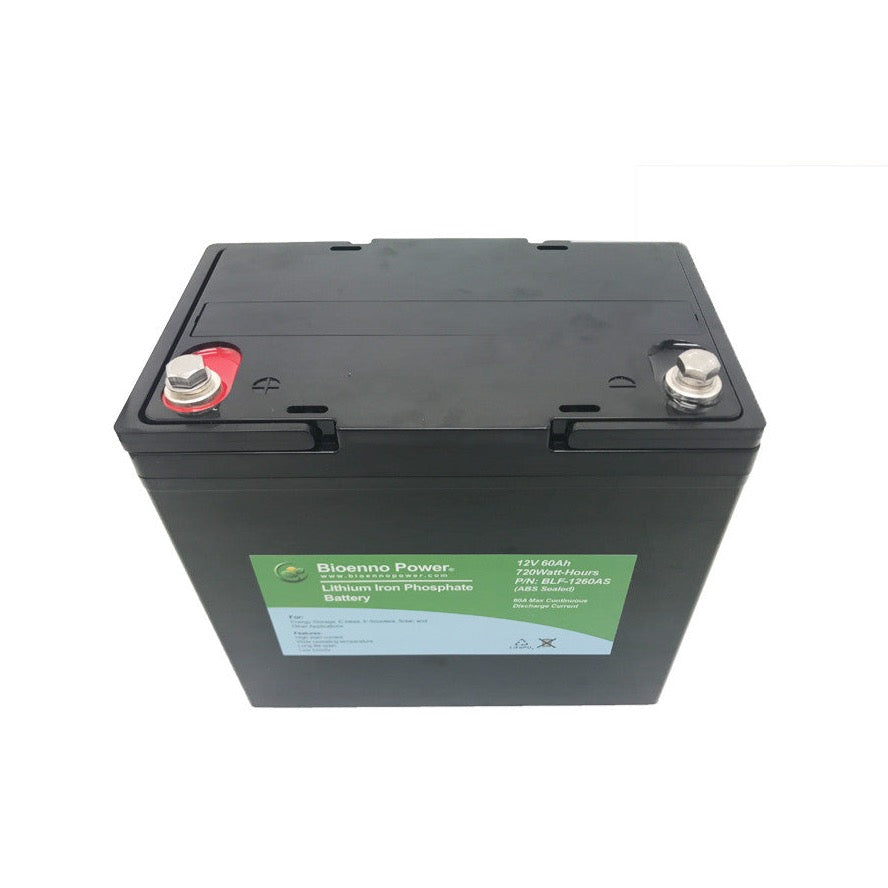
Published specifications usually list a continuous discharge current and sometimes a shorter peak current. Compare both against the radio's transmit-current figure from its manual. Lithium iron phosphate (LiFePO4) batteries typically include a battery management system (BMS) that disconnects the output when current or voltage leaves its allowed window. Check your battery's listed discharge ratings on its product page, and review Bioenno's technical FAQ for related guidance. If your model's details are not listed, ask Bioenno support.
What a Protection Shutdown Looks Like
When protection trips, the radio may go dark at once instead of losing power gradually. Some batteries recover on their own and others need a specific reset step, so follow the manufacturer's procedure for your model and never bypass the protection circuit.
Ham Radio Voltage Drop on Transmit
Measure at the Radio, Not the Battery
Voltage drop is simply current multiplied by resistance. For illustration only, suppose the battery terminals read 13.0 V and the radio draws 20 A while transmitting. If the cables and connections add a combined 0.05 ohms of resistance, the drop is 20 A × 0.05 ohms = 1 V, so the radio sees only about 12.0 V. The battery looks fine, but the radio is not getting what it needs. These numbers are examples, not limits, so check your radio's manual for its acceptable input range. Always measure at the radio's power input while transmitting, using a method the radio manufacturer considers safe. FlexRadio's “Crash on Transmit” troubleshooting guide explains that high resistance in DC cabling and connections can drop the voltage reaching a radio under transmit load and shut it down, and it recommends checking voltage at the radio end of the power cable first. Although written for FlexRadio models, the same voltage-under-load principle applies to other radios, so check your own manual's requirements.
Cables, Connectors, and Fuse Holders
Every joint adds resistance. Thin leads, long runs, loose crimps, corroded contacts, and worn fuse holders all contribute. Inspect each connection and confirm that adapters match the radio's requirements. If you need to replace or add connections, a matched set of Bioenno connectors and adapters keeps the path consistent.
Polarity and Fuse Ratings
Confirm polarity before any test. Keep the fuse at the rating the radio manufacturer specifies. Never install a larger fuse to stop shutdowns, because the fuse protects the wiring and the radio, and a shutdown is a symptom worth diagnosing instead of masking.

A Step-by-Step Diagnostic Flow
Gather the Numbers First
Before testing, write down the following so you can compare real values against specifications.
- Radio model, acceptable input-voltage range, and transmit-current draw from the manual
- Battery model, state of charge, and published continuous and peak discharge limits
- Cable length, wire gauge, and every connector or fuse in the path
- Charger model and how recently the battery was charged
Compare Receive and Transmit Voltage
Work through these steps in order and stop when you find the cause.
- Fully charge the battery with a compatible charger and retest, which rules out low charge.
- Measure voltage at the radio's power input during receive.
- Key the radio into a dummy load or a properly matched antenna (never with the antenna connector open) and measure again during transmit, noting how far the voltage falls. Keep test transmissions short and follow your license rules.
- Measure at the battery terminals under the same conditions and compare the two readings.
- If the battery reads healthy but the radio reading sags, inspect cables, connectors, and fuses.
- If both readings collapse together, check the battery's current rating and protection behavior.
Match the Symptom to the Fix
| What you see | Likely cause | Next step |
|---|---|---|
| Shutdown at low charge only | Insufficient charge | Charge fully and retest |
| Battery reads fine, radio reading sags | Cable or connector voltage drop | Correct the wiring path |
| Both readings collapse, whole battery goes dark | Discharge-current protection | Compare ratings to radio draw |
| Problem persists with steady voltage | Possible RF interference or radio-specific requirement | Check the manufacturer's RFI guidance or contact support |
Choosing a LiFePO4 Battery Setup for Ham Radio
Start With the Radio's Requirements
Pick a battery by the radio's voltage range and transmit current first, and by runtime second. Browse Bioenno's ham radio batteries and compare listed specifications against your manual.
Charger Compatibility Matters
A battery that never reaches a full charge will sag sooner. Use a charger matched to the battery's chemistry and voltage, and review Bioenno's compatible chargers before you buy.
When to Ask for Help
If the numbers do not point to a clear answer, send your radio model, battery model, and test readings to the Bioenno support team before purchasing anything new. Compare Bioenno's ham radio batteries and match their voltage and transmit-current specs to your radio's manual, and let support confirm compatibility if anything is uncertain.
Ham Radio Shutdown on Transmit FAQs
Why does my radio work on receive but shut off when I transmit?
Transmitting pulls far more current than receiving. If the voltage at the radio dips below its acceptable input range, the radio can shut down or reset. Common causes include low charge, a battery discharge-current limit, voltage drop in cables or connectors, and radio-frequency interference.
Is a bigger battery always the fix?
Not necessarily. Capacity in amp-hours or watt-hours measures runtime, not how much current a battery may deliver at one moment. Compare the battery's continuous and peak discharge ratings to your radio's transmit-current figure, and check your wiring, before replacing anything.
Where should I measure voltage when the radio shuts off?
Measure at the radio's power input while transmitting, then compare with a reading at the battery terminals under the same conditions. Use a method the radio manufacturer considers safe, and transmit into a dummy load or a properly matched antenna.