When you're out on the water, miles from shore with a fish finder showing promising marks below, the last thing you want is a dead battery. For kayak anglers, power isn't just convenient; it's essential for safety and success. Your 12V deep cycle battery powers everything from fish finders and GPS units to aerators and LED lighting systems.
The challenge for kayak fishermen is unique. Unlike boat owners with spacious battery compartments, kayakers work within strict weight and space constraints. Every pound matters when you're paddling against wind or current. This reality makes choosing between LiFePO4 and traditional lead-acid batteries more than just a technical decision; it directly impacts your fishing experience.
Understanding Deep Cycle Battery Basics
Before diving into specific battery types, it's important to understand what makes a deep cycle battery different from a standard automotive battery. Deep cycle batteries are designed to be discharged and recharged repeatedly, delivering steady power over extended periods rather than short bursts of high current.
For kayak fishing applications, you'll typically need a battery that can reliably power your electronics for 6 to 12 hours on the water. Your fish finder might draw 0.5 to 1 amp continuously, while accessories like bilge pumps or live wells require intermittent power throughout the day.
Lead-Acid Batteries: The Traditional Choice
Lead-acid batteries have powered marine electronics for decades. They're familiar, widely available, and initially less expensive than newer technologies. A typical 12V, 12Ah sealed lead-acid battery costs around $30 to $50 and will power basic electronics adequately.
However, lead-acid batteries come with significant drawbacks for kayak anglers. Weight is the primary concern. A 12Ah lead-acid battery weighs approximately 8 to 10 pounds, which represents substantial weight in a kayak where every pound affects stability and paddling effort. Beyond weight, these batteries have limited discharge capacity. Drawing them below 50% charge significantly reduces their lifespan, meaning your 12Ah battery effectively provides only 6Ah of usable capacity.
Temperature sensitivity also affects performance. Cold mornings on the water can reduce lead-acid battery capacity by 20% or more, leaving you with less power exactly when you need reliability most.

LiFePO4 Batteries: Modern Power for Serious Anglers
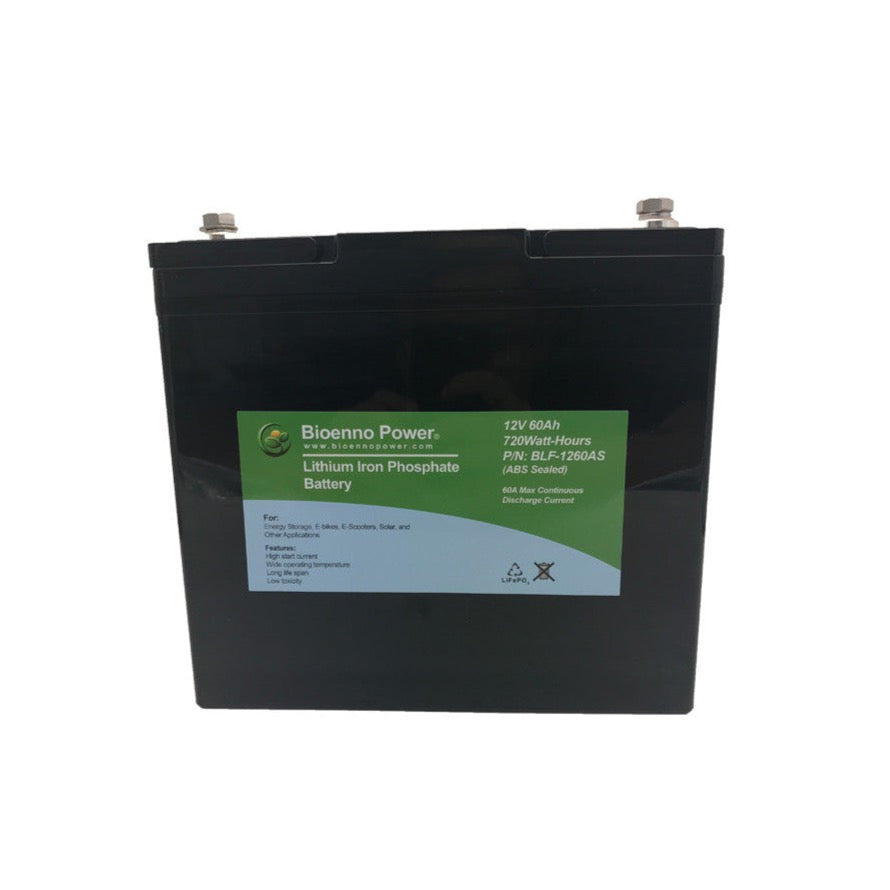
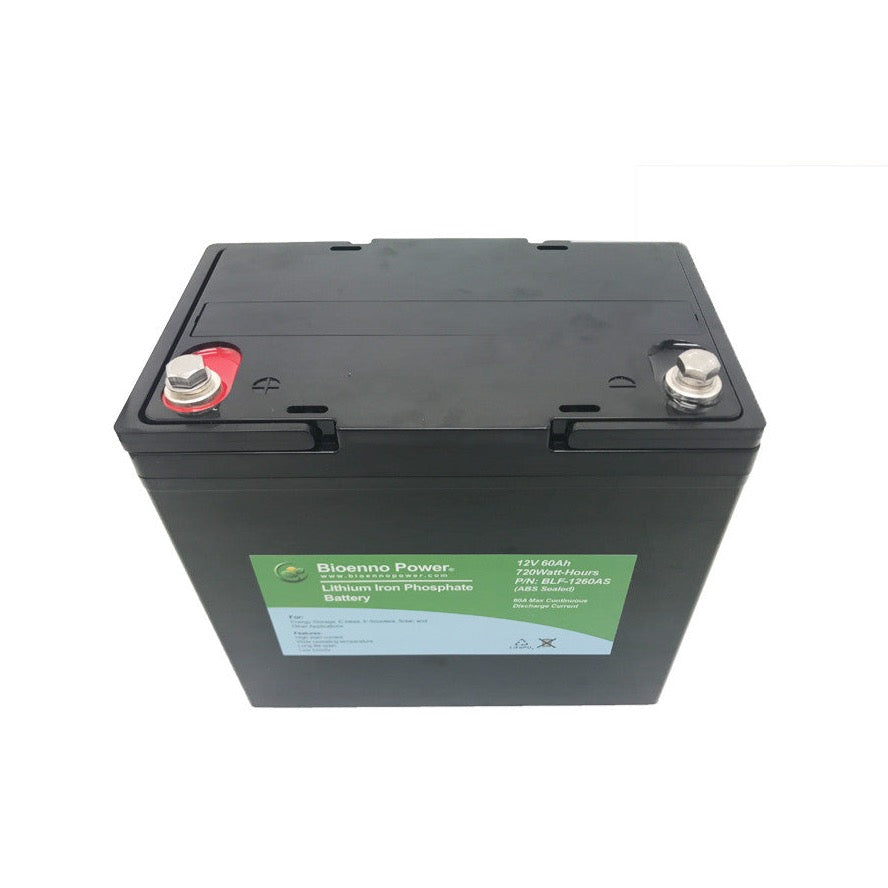
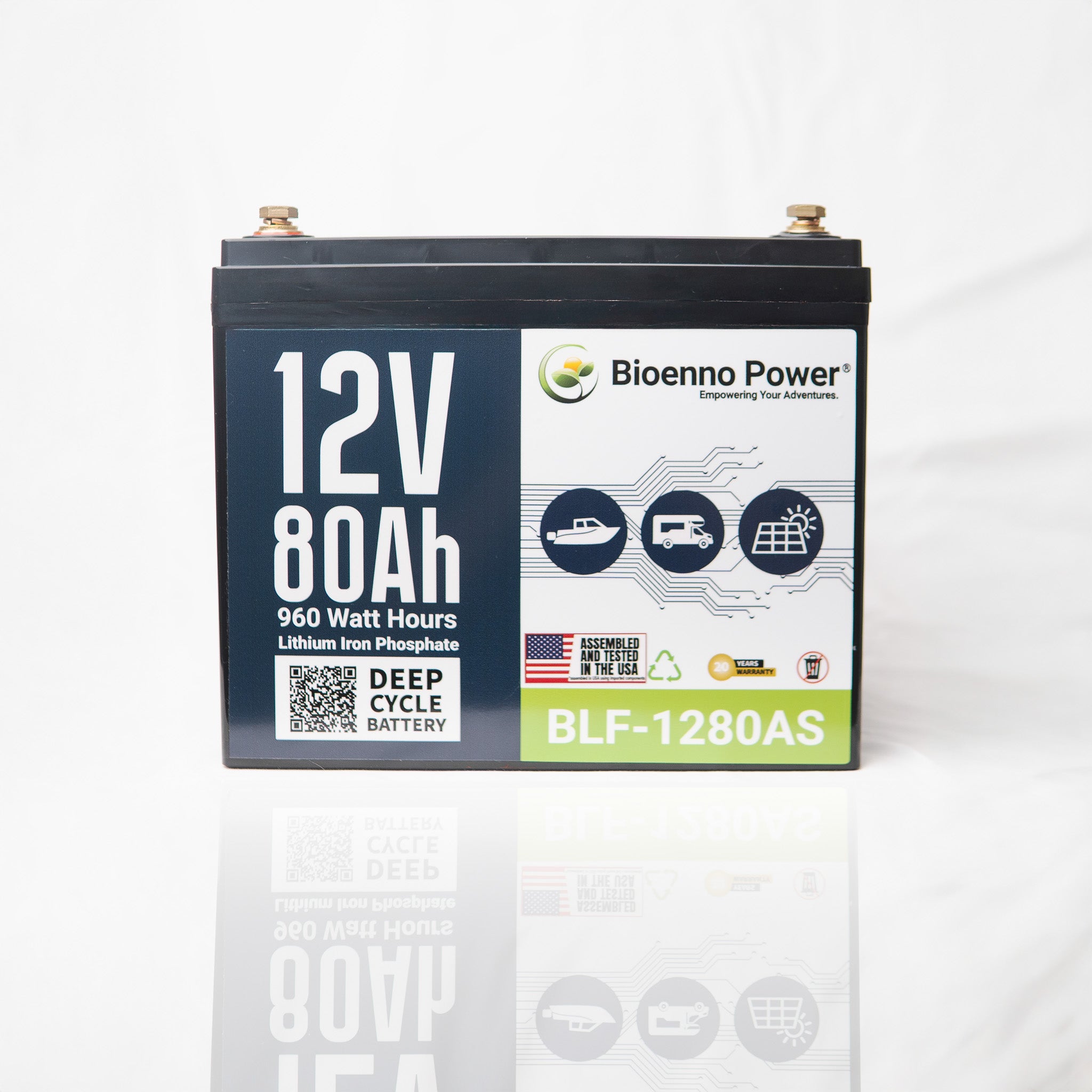
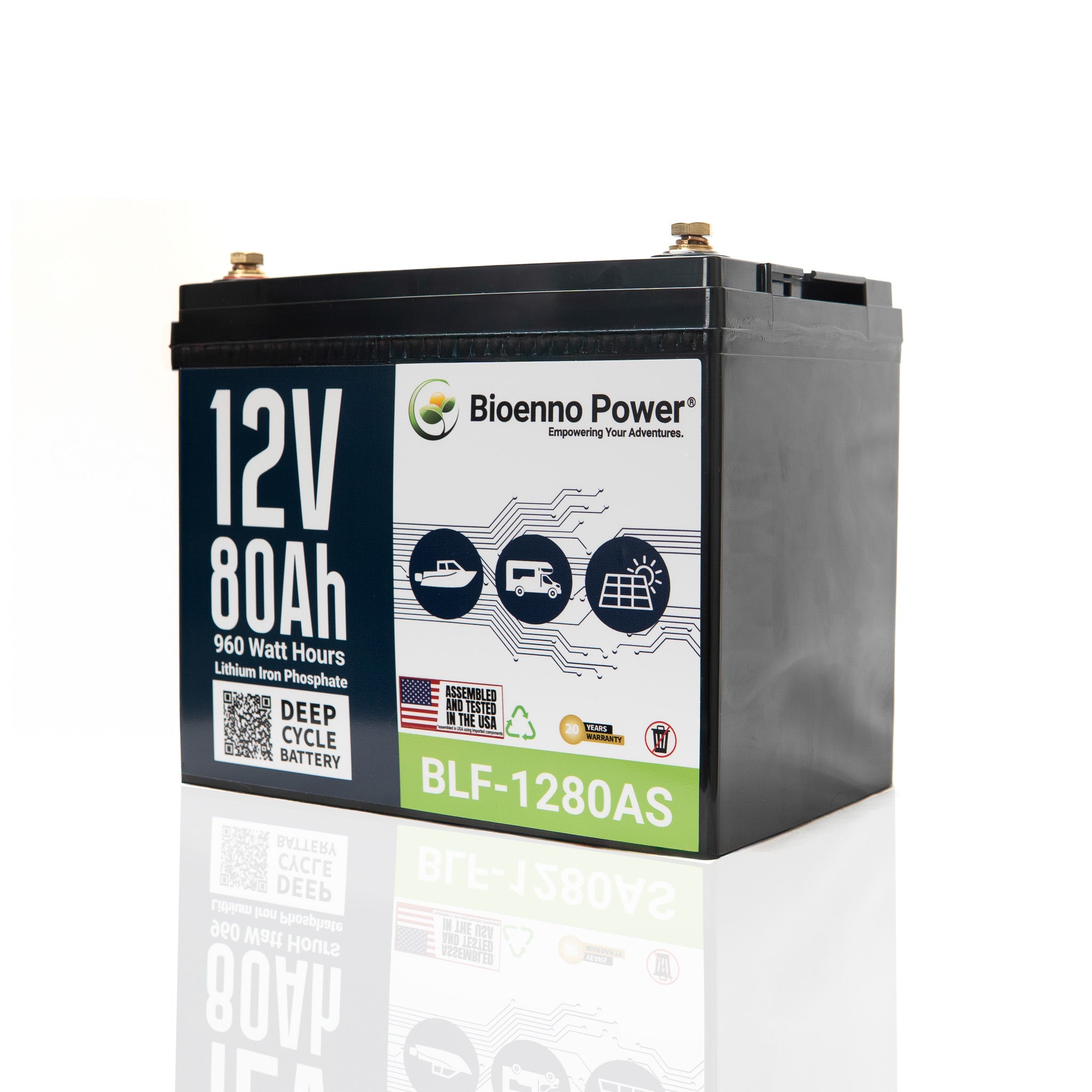
Lithium iron phosphate (LiFePO4) batteries represent a significant technological advancement for kayak fishing. These batteries deliver the same 12V output as lead-acid but with transformative differences in weight, capacity, and longevity.
Weight Advantage
A 12V, 12Ah LiFePO4 battery weighs approximately 3 to 4 pounds, representing a 60% to 70% weight reduction compared to lead-acid. For kayak anglers, this weight savings translates to easier paddling, better stability, and the ability to carry additional gear or fish. Think of it this way: switching to LiFePO4 is like leaving 6 pounds of tackle at home while gaining the same runtime.
Usable Capacity
Unlike lead-acid batteries, LiFePO4 batteries can be safely discharged to 100% without damage. Your 12Ah LiFePO4 battery provides the full 12Ah of usable capacity, effectively doubling the runtime compared to a similarly rated lead-acid battery. This means longer days on the water without worrying about your electronics failing.
Practical Performance Comparison
Consider a typical kayak fishing setup: a fish finder drawing 0.7 amps, a GPS unit at 0.3 amps, and occasional use of LED lights totaling 0.5 amps over the day. Your total consumption might be around 1 amp continuous draw for 10 hours, or 10Ah total.
With a lead-acid battery, you'd need at least a 20Ah unit (using only 50% capacity) weighing 15 pounds. With LiFePO4, a 12Ah battery provides more than adequate capacity at 3 to 4 pounds. The performance difference becomes even more dramatic in cold weather, where LiFePO4 maintains consistent output while lead-acid capacity drops significantly.
Durability and Lifespan
LiFePO4 batteries offer 2,000 to 3,000 charge cycles compared to 300 to 500 for lead-acid. Over a typical fishing season with weekly trips, this means 10 to 15 years of reliable service versus 2 to 3 years. While the initial investment is higher, the long-term cost per use strongly favors LiFePO4 technology.
Real-World Application: Choosing the Right Capacity
For most kayak fishing applications, battery capacity between 9Ah and 15Ah provides optimal balance between weight and runtime. Here's how to calculate your needs:
- List all electronics and their current draw in amps
- Estimate hours of use for each device
- Multiply amps by hours to get amp-hours for each device
- Add 20% buffer for unexpected use or efficiency losses
For example, if your calculations show 8Ah needed, a 12V, 9Ah LiFePO4 battery provides adequate capacity with minimal weight penalty.
Installation and Maintenance Considerations
Both battery types require proper mounting in your kayak to prevent movement and potential water exposure. However, LiFePO4 batteries offer advantages here as well. They can be mounted in any orientation without affecting performance or lifespan, providing flexibility in tight kayak compartments.
Maintenance requirements differ significantly. Lead-acid batteries require periodic charging to prevent sulfation, even during storage. LiFePO4 batteries can sit for months without maintenance charging and will retain 90% or more of their charge.

Safety and Environmental Factors
Safety is paramount when dealing with electrical systems on the water. LiFePO4 batteries include built-in protection circuits that prevent overcharge, over-discharge, and short circuits. They're also more environmentally friendly, containing no toxic lead or corrosive acid.
In the unlikely event of water exposure, LiFePO4 batteries are less prone to catastrophic failure compared to lead-acid batteries, which can release hydrogen gas and corrosive materials.
Making Your Decision
The choice between LiFePO4 and lead-acid ultimately depends on your fishing style, budget, and priorities. If you're primarily a weekend angler with basic electronics and budget constraints, a sealed lead-acid battery will serve adequately. However, if you fish frequently, travel to remote locations, or simply want the best performance with minimal weight, LiFePO4 technology delivers clear advantages.
The higher upfront cost of LiFePO4 batteries is offset by superior performance, dramatically longer lifespan, and the tangible benefits of reduced weight on every fishing trip. For serious kayak anglers, it's an investment that pays dividends in convenience, reliability, and fishing success.
Power Your Next Adventure
Ready to upgrade your kayak fishing setup with reliable, lightweight power? Explore Bioenno Power's complete line of LiFePO4 batteries specifically designed for marine applications. Our batteries combine proven technology with rigorous quality standards, ensuring you have dependable power for every fishing adventure.