Ask five ham radio operators what battery they use and the answers will likely differ depending on whether they mean the shack or the field kit. Ham radio batteries are not one-size-fits-all, and treating a base station battery and a go-box battery as interchangeable is a common planning mistake that can leave either setup underpowered.
Why Ham Radio Batteries Need to Match the Setup
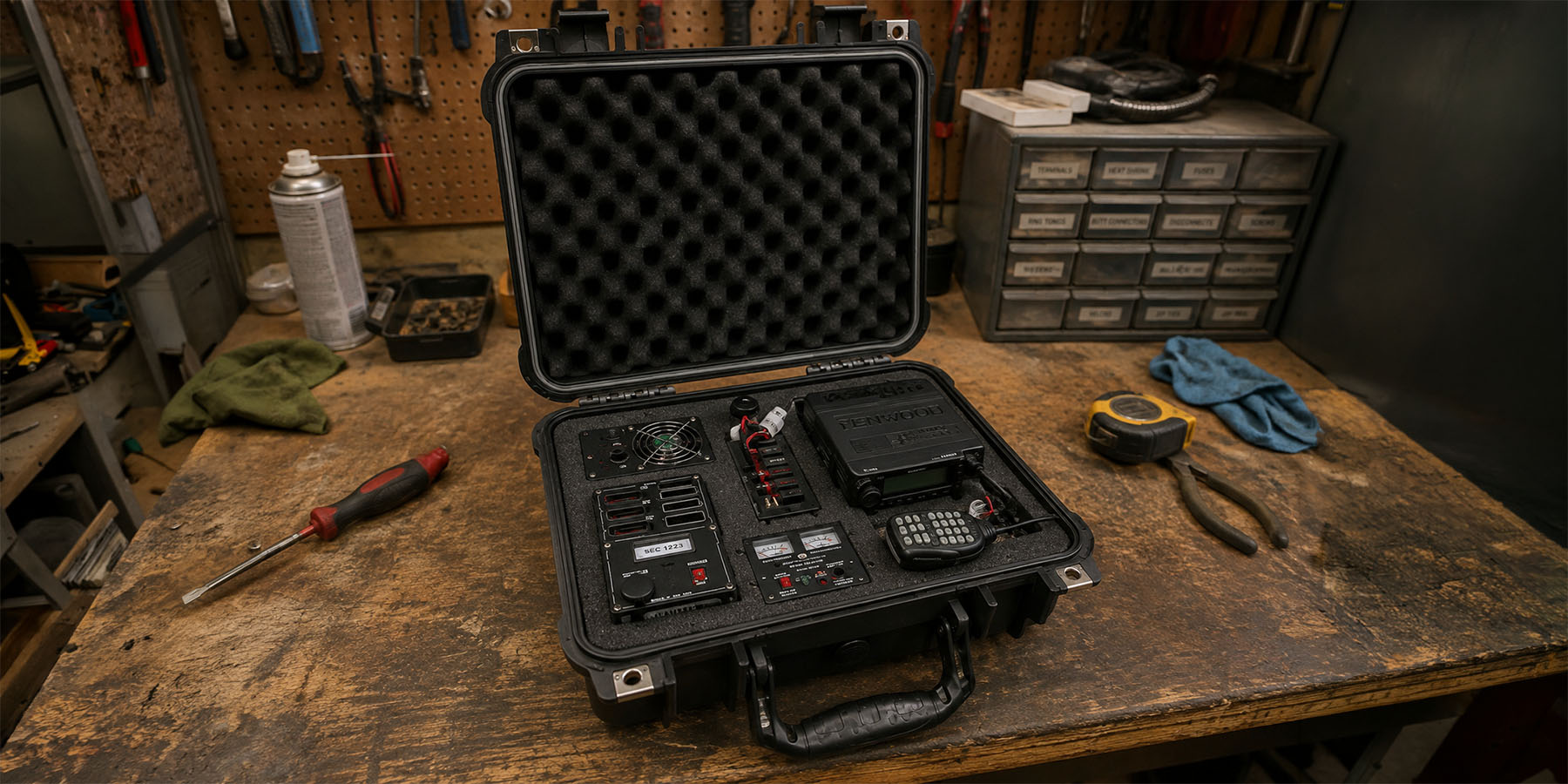
A fixed base station and a portable go-box, a self-contained radio setup built to run away from the shack, put very different demands on a battery. Matching the battery to the job, rather than grabbing whatever is on the shelf, is the difference between a shack that runs reliably for years and a go-box that dies mid-contact.
What Changes Between a Fixed Station and a Portable Go-Box
A base station usually stays connected to shore power most of the time, with the battery acting as backup during outages or as a clean auxiliary supply. A go-box, on the other hand, functions as a portable radio power supply and is often the only power source available in the field, whether that is a Field Day site, a summer contest location, or an emergency communications deployment. That single difference changes almost everything about how the battery should be sized, monitored, and charged.
Why Lead Acid Batteries Fall Short for Radio Work
Many operators started with lead acid batteries simply because that is what was available locally. The tradeoffs show up quickly in radio use. Lead acid batteries lose usable capacity as voltage drops, which can cause a transceiver to behave unpredictably well before the battery is actually empty. They are also heavier and bulkier per amp hour, which matters when a go-box has to fit in a backpack or a vehicle trunk alongside antennas, coax, and a mast.
Sizing Ham Radio Batteries for a Fixed Base Station
A base station battery should be sized around how the shack is actually used, not around a worst case guess.
Estimating Continuous and Peak Current Draw
Before choosing a battery, gather the numbers that actually drive sizing decisions:
- Receive current draw for the radio
- Transmit current draw at typical operating power
- Transmit current draw at maximum power
- Draw from any accessories sharing the same battery, such as an amplifier, a tuner, or shack lighting
Manufacturer specification sheets are the most reliable source for these numbers, since actual draw varies by radio model and mode. As a hypothetical example, a station drawing roughly 1A on receive and spiking to 20A on transmit needs enough capacity to comfortably cover several hours at that peak draw, not just the daily average.
Choosing Capacity for Extended Operating Sessions
Once the draw is known, capacity planning becomes a question of how long the station needs to run without shore power. Operators who want backup coverage for extended contest weekends or multi-day outages typically size up rather than down, since running a battery close to empty on a regular basis shortens its useful life. A higher capacity pack in the 30Ah range gives a base station meaningful runtime for high power radio communications without the bulk of an equivalent lead acid bank.
Keeping a Base Station Battery Charged and Monitored
A battery that sits unmonitored is a battery that eventually surprises its owner. Pairing the battery with a dedicated LiFePO4 charger from Bioenno's charger lineup and a shunt-based monitor gives an accurate state of charge reading instead of the rough guess that voltage alone provides.

Choosing a Go-Box Battery for Field Day and Portable Operations
Field kits live or die by weight, size, and runtime, which makes go-box battery selection a different exercise than base station sizing.
Weight and Size Tradeoffs in the Field
A go-box battery has to survive being carried, packed, and occasionally dropped, so lighter is almost always better as long as it still meets the runtime target. Smaller capacity batteries in the 9Ah to 15Ah range are common choices for QRP (low-power, typically 5 watts or less) and moderate power portable setups where every pound in the pack matters.
Runtime Planning for Field Day and Emergency Communications
The American Radio Relay League treats Field Day as one of amateur radio's largest annual exercises in operating away from commercial power, and that same planning mindset applies to any emergency communications deployment. Before heading out:
- Estimate total operating hours for the event
- Add a safety margin for extensions or delays
- Confirm the battery and any spares can cover the full window without a recharge
- Test the full kit before the event, not during it
Solar Charging for Off-Grid Operations
For multi-day field deployments, a solar panel and compatible charge controller extend a go-box far beyond what the battery alone can provide. This is where a lighter, more portable capacity, generally in the 9Ah to 15Ah range, tends to fit go-box builds better than a heavier base station battery.
Reducing RF Noise From a Ham Radio Battery Setup
Clean power matters as much as capacity when the load is a sensitive receiver, since RF (radio frequency) noise from a power source can degrade reception.
Why LiFePO4 Chemistry Runs Quiet
LiFePO4 batteries are far less prone to the internal chemistry quirks that cause voltage sag under load in older battery types. That said, noise in a station is more often introduced by chargers, switching power supplies, or poor wiring than by the battery cell itself, so a quiet battery is only part of the picture.
Wiring and Grounding Habits That Help
Short, properly gauged cable runs, solid connections, and keeping charging equipment away from the antenna feed line during receive all reduce the chance of picking up unwanted noise. These habits matter regardless of which battery chemistry is in use, but they make the most of a clean lithium power source.
What the Ham Radio Community Says About Bioenno Batteries
Field-Tested Feedback From Operators and Content Creators
Bioenno Power's LiFePO4 batteries have shown up in real operator content rather than just marketing materials. Content creator Mike K8MRD, known as Ham Radio Tube, has featured a solar-powered ham radio setup built around Bioenno power as part of his portable and off-grid communication content, and HamRadioConcepts has covered Bioenno LiFePO4 batteries and solar charging specifically for ham radio field operations. The Tech Prepper has also published detailed guidance on sizing a ham radio LiFePO4 battery for amateur radio use, which is a useful independent reference point for anyone planning a new build.
Why Battery Monitoring Matters in the Shack
Bioenno has also bundled free Victron Smart Shunt monitoring with select multi-battery bundles, which gives operators a real amp hour and state of charge reading instead of relying on voltage alone (check the current collection page for which bundles qualify). For a hobby built around precise measurement, that kind of visibility fits naturally into how hams already think about their stations.

Choosing the Right Bioenno Battery for Your Setup
The right battery comes down to matching capacity and weight to how and where the radio will actually be used.
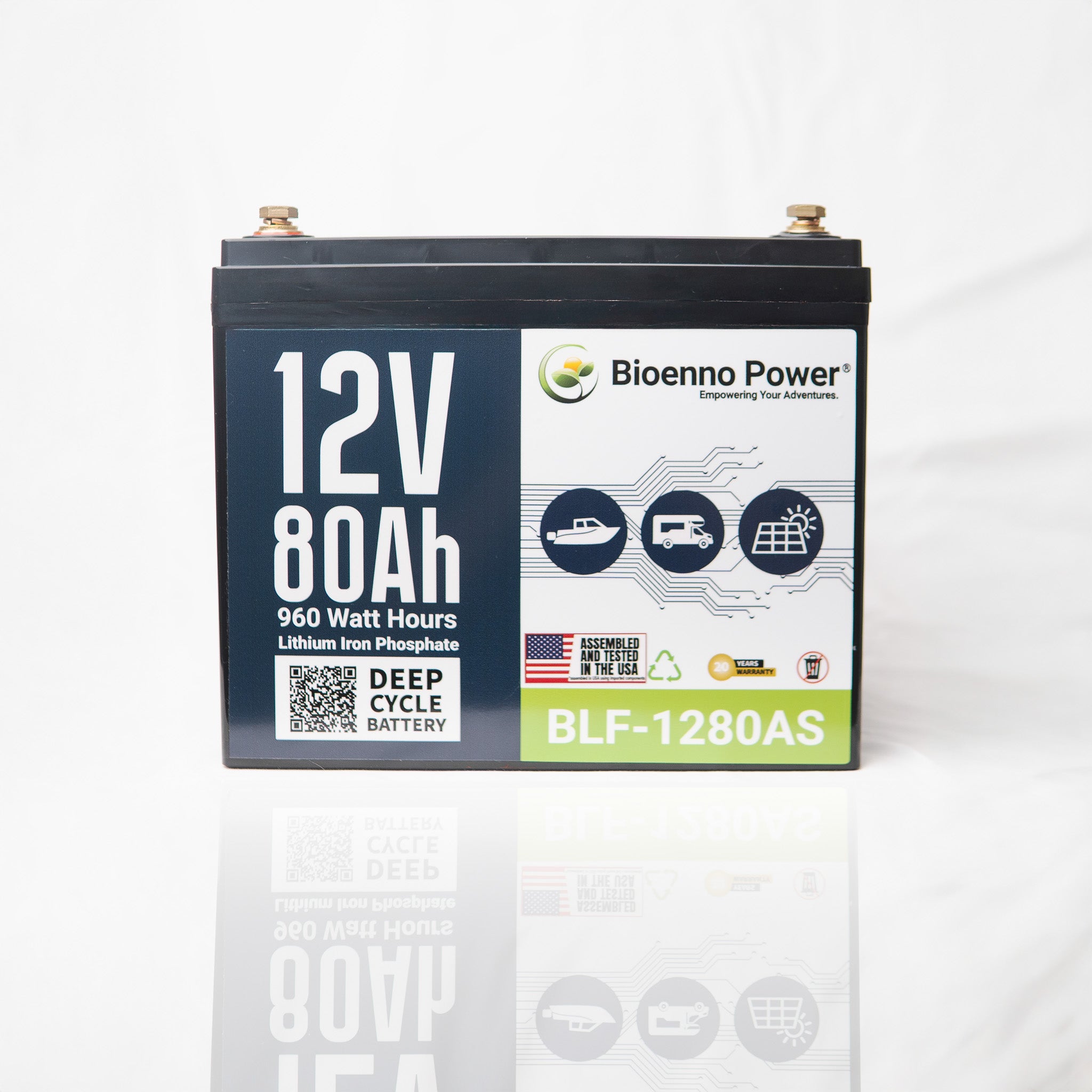
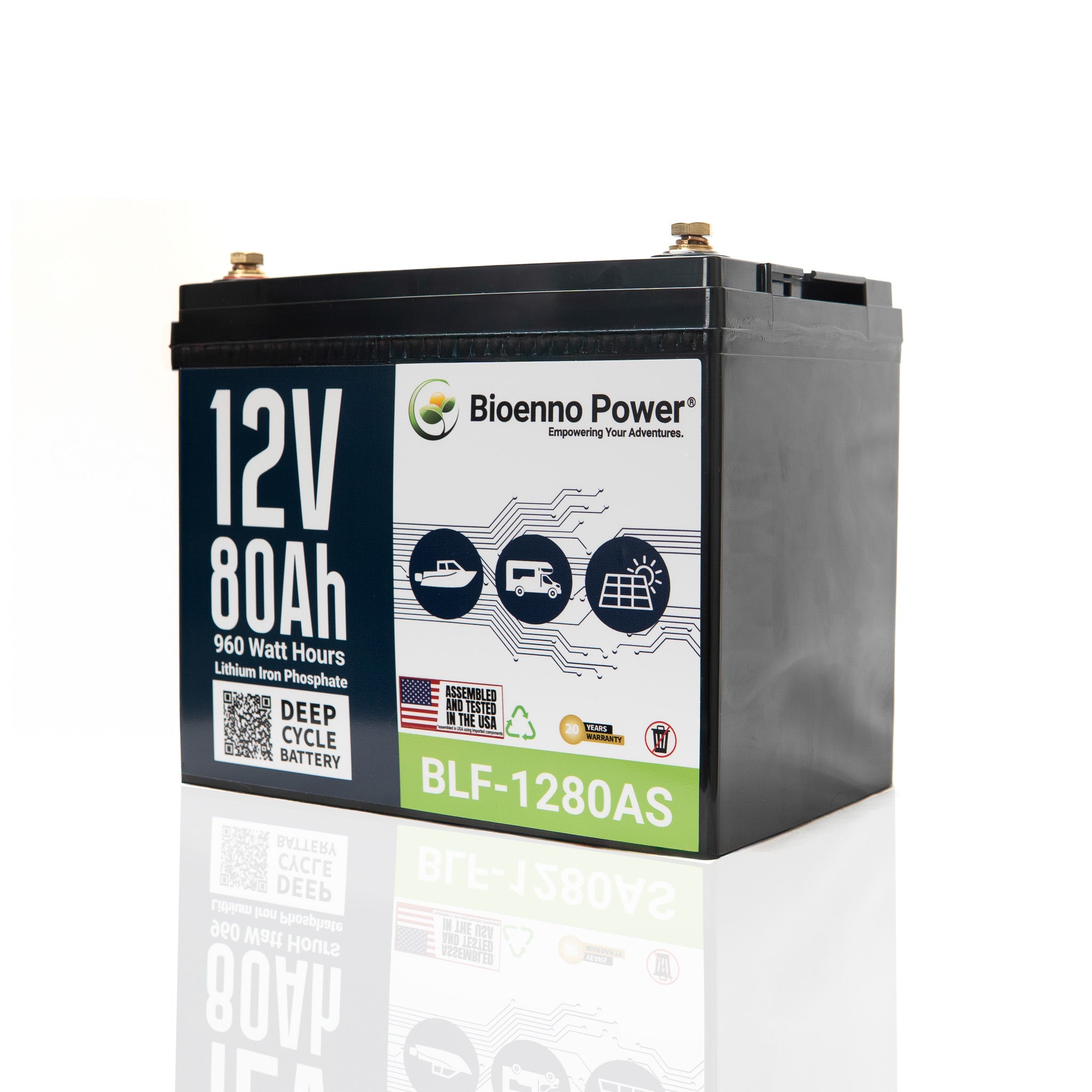
- Home base station, high power, extended sessions: favor higher capacity, such as a 30Ah pack, paired with a dedicated charger and a monitoring shunt
- Go-box, Field Day, or backpack portable: favor lighter capacity in the 9Ah to 15Ah range, paired with a solar panel for multi-day deployments
- Emergency communications kit: size for worst case operating hours plus a safety margin, and test the full kit before it is needed
Base Station Battery Recommendations
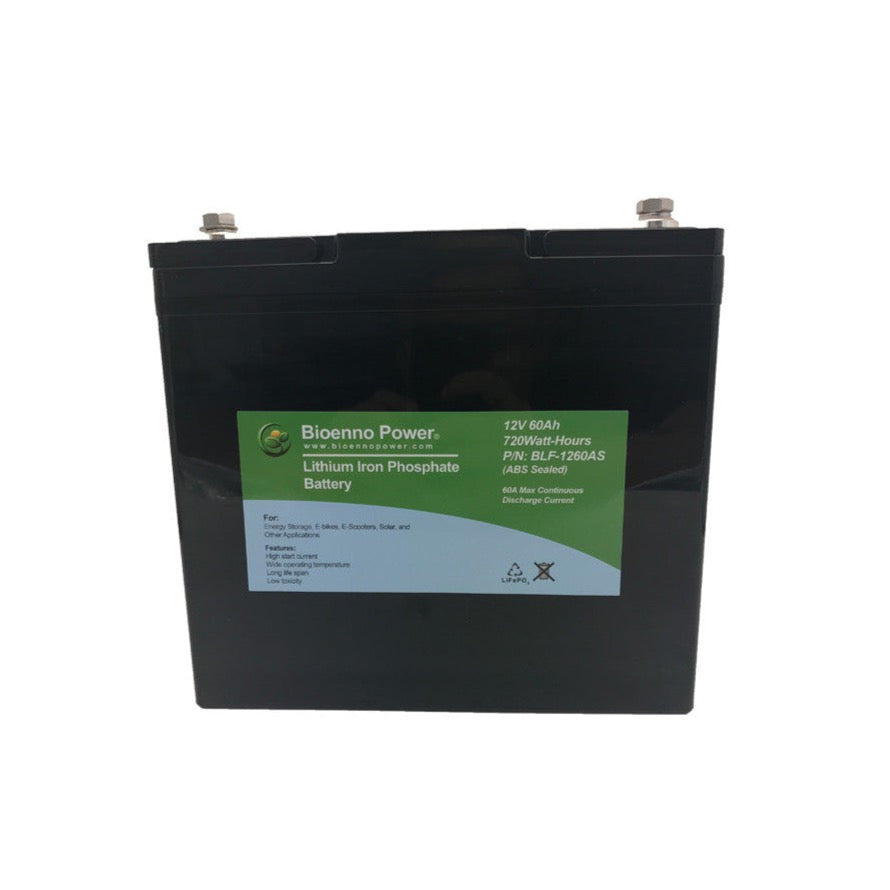
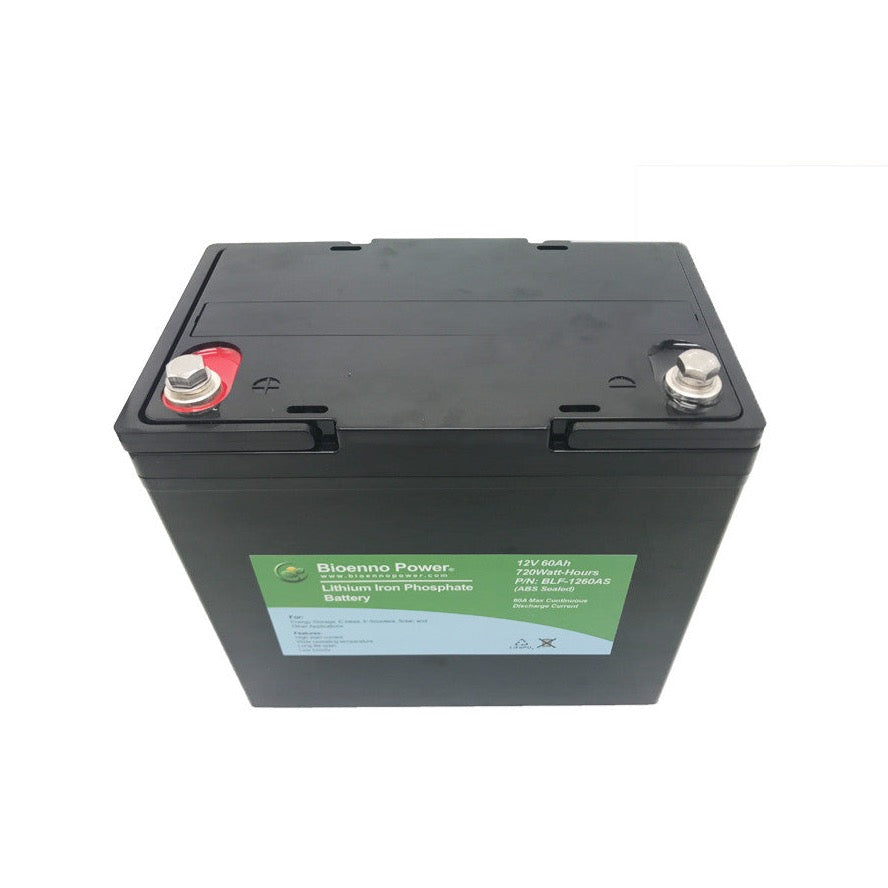
For a shack that needs to run a radio, an amplifier, or shack accessories for hours at a time, the 12V 30Ah LiFePO4 Battery is built for exactly that kind of sustained draw, and ham radio is one of the applications Bioenno specifically lists for the model.
Go-Box Battery Recommendations
For a lighter, more packable option, the 12V 12Ah LiFePO4 Battery is a practical starting point for backpack portable work, go-box builds, and Field Day operations where every ounce counts.
Every setup is a little different, and the Ham Radio Field Day power planning guide walks through additional sizing and setup considerations for anyone preparing for their next event. When it is time to compare specific models, shop now through Bioenno's Ham Radio battery collection to find the capacity that matches a base station, a go-box, or both.If you need help figuring out which battery is right for your application, contact us.