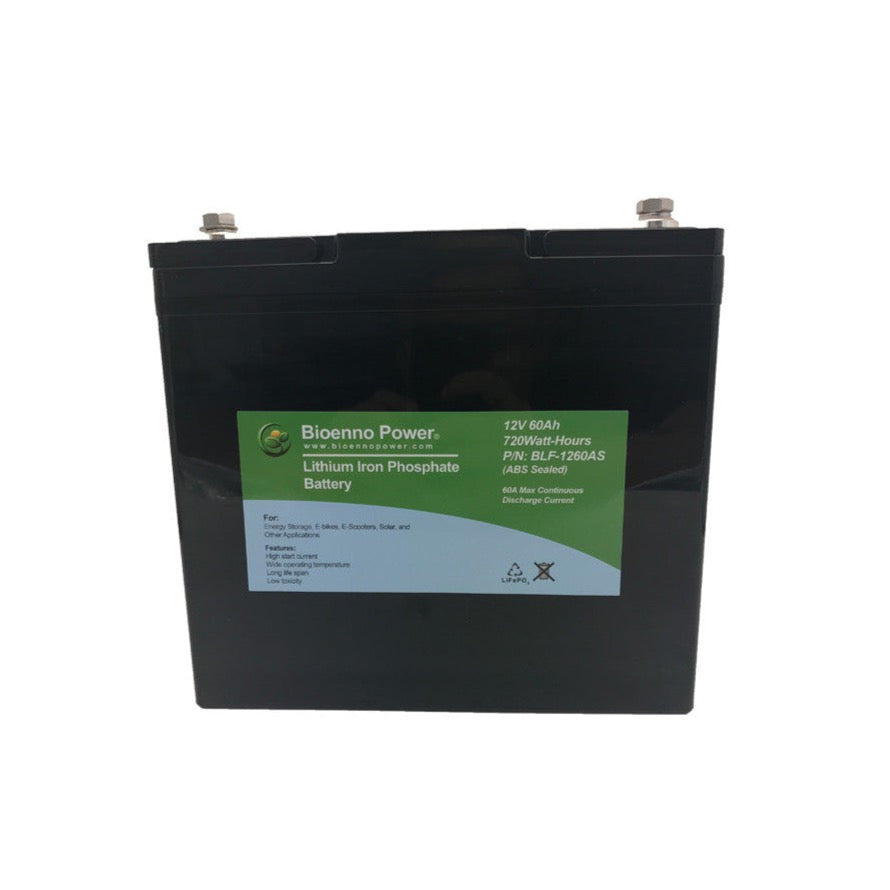
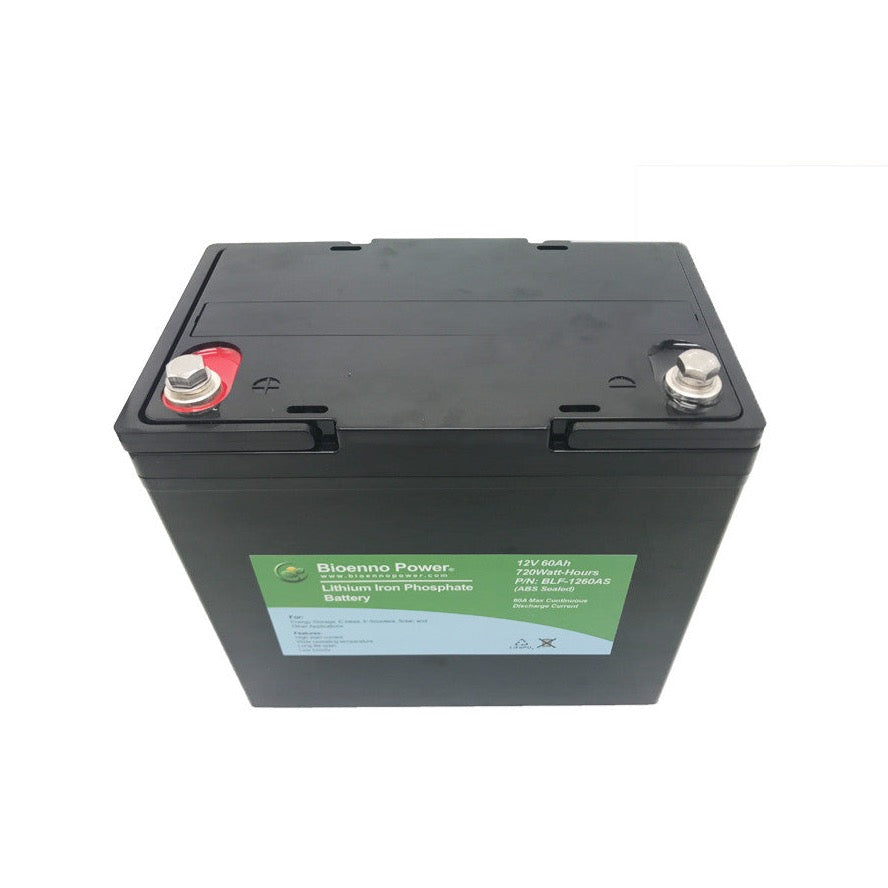
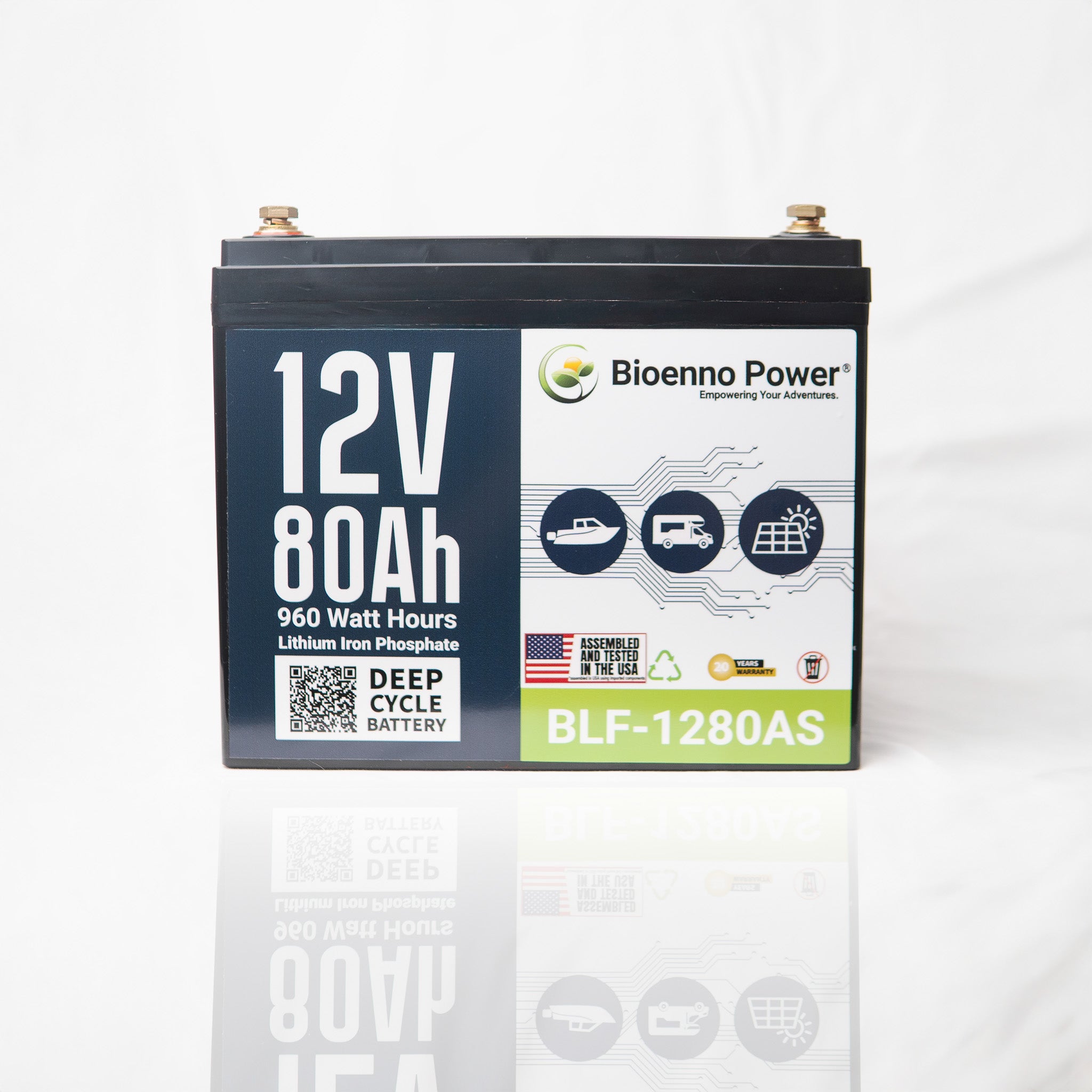
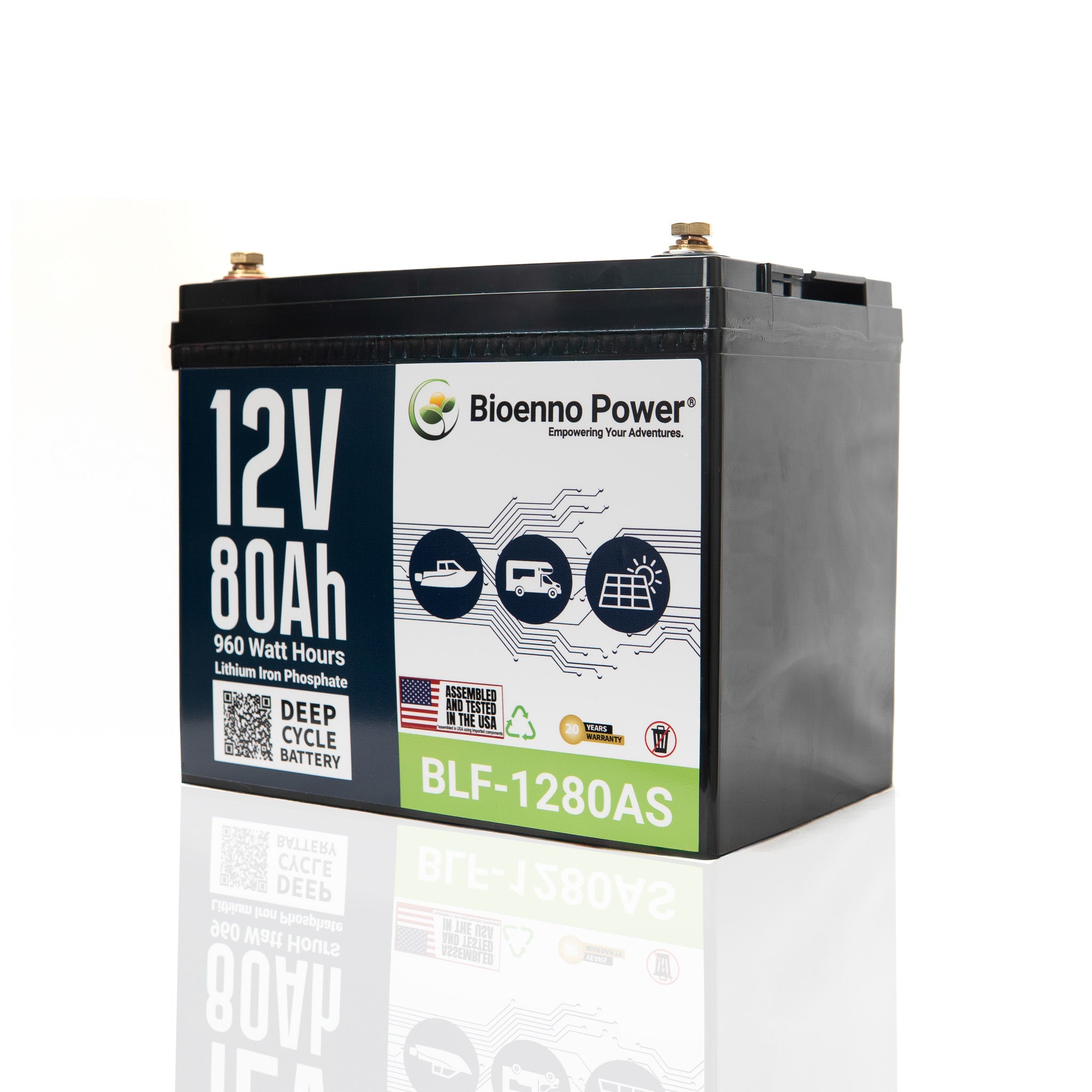
Switching to solar power is an exciting step toward energy independence, but one of the most common challenges first-time solar users face is figuring out how much battery capacity they actually need. Choose a battery that's too small, and you'll run out of power when you need it most. Go too large, and you'll spend more money than necessary on capacity you'll never use.
This guide will walk you through the process of calculating your energy needs, matching battery capacity to your specific application, and avoiding the most common sizing mistakes. By the end, you'll know exactly which LiFePO4 battery from Bioenno's lineup fits your use case, whether you're powering a weekend cabin or running a full-time off-grid system.
Understanding Your Daily Power Consumption
Before you can choose the right battery, you need to know how much energy you actually use. Think of this like planning a road trip: you wouldn't fill up your gas tank without knowing how far you need to drive. The same principle applies to solar battery sizing.
Start by listing every device you plan to power and how long you'll use it each day. For example, if you're running LED lights, a water pump, a refrigerator, and charging devices, write down the wattage of each item and estimate your daily usage hours. A typical LED light might use 10 watts and run for 5 hours per day, totaling 50 watt-hours (Wh). A small refrigerator might draw 60 watts and cycle on for about 8 hours throughout the day, using 480 Wh.
Add up all these numbers to get your total daily energy consumption in watt-hours. This is your baseline, the minimum amount of energy your battery system needs to store. However, you should plan for about 20 to 30 percent more capacity than your baseline to account for inefficiencies in the system, cloudy days, and unexpected usage spikes.
Converting Watt-Hours to Amp-Hours
Most batteries, including Bioenno's LiFePO4 batteries, are rated in amp-hours (Ah) rather than watt-hours. Converting between the two is straightforward once you understand the relationship between voltage, current, and power.
The formula is simple: Watt-hours = Voltage × Amp-hours. If you have a 12V battery system and you've calculated that you need 600 Wh of daily energy, divide 600 by 12 to get 50 Ah. That means you need a battery with at least 50 Ah of usable capacity to meet your daily needs.
Keep in mind that with LiFePO4 batteries, you can safely use about 80 to 90 percent of the rated capacity without damaging the battery or shortening its lifespan. This is a significant advantage over traditional lead-acid batteries, which should only be discharged to about 50 percent to maintain longevity.

Sizing for Different Applications
Weekend Cabin or Occasional Use
If you're setting up a solar system for a cabin you visit on weekends or for occasional camping trips, your energy needs will be relatively modest. You might only need to run a few lights, charge phones and tablets, power a small fan, and perhaps run a portable cooler.
For this type of application, a system using Bioenno's 12V 12Ah LiFePO4 battery is often sufficient. With around 144 Wh of usable capacity, this battery can handle basic lighting and device charging for a weekend without requiring a recharge. Pair it with a small 50W to 100W solar panel, and you'll have a complete, portable power solution that's easy to transport and set up.
Another excellent option for weekend use is the 12V 20Ah model, which provides 240 Wh of capacity. This gives you more headroom for running additional devices or extending your trip by a day or two without worrying about running out of power.
Full-Time Off-Grid Living
Living off-grid full-time requires a much larger and more robust energy storage system. You'll need to power essential appliances like refrigerators, water pumps, communication devices, and possibly heating or cooling systems, depending on your climate.
Let's say your daily energy consumption totals around 2,400 Wh. Using the conversion formula for a 12V system, that's 200 Ah of daily capacity needed. However, you should never rely on just one day's worth of battery storage. Weather conditions can be unpredictable, and you need backup capacity for cloudy days when your solar panels aren't producing at full capacity.
A good rule of thumb for off-grid systems is to have at least two to three days of backup power. That means you'd need 400 to 600 Ah of total battery capacity. For this type of setup, consider using multiple Bioenno 12V 100Ah batteries wired in parallel. These batteries offer deep cycle performance, long lifespan, and the ability to handle consistent daily discharge cycles without degradation.
Alternatively, if you're running a 24V system for improved efficiency and lower current draw, Bioenno's 24V 40Ah battery provides 960 Wh of capacity in a compact form factor. You can combine multiple units to scale your system to meet your exact needs.
Common Mistakes When Matching Batteries to Solar Panels
Underestimating Charging Time
One of the biggest mistakes beginners make is assuming that any solar panel can fully recharge their battery in a single day. In reality, solar panel output varies dramatically based on time of year, weather, and geographic location. A 100W solar panel might produce its rated power for only four to five hours on a sunny summer day, yielding around 400 to 500 Wh of energy. On a cloudy winter day, that same panel might produce only 100 to 150 Wh.
To avoid running out of power, make sure your solar panel array can generate at least 1.5 times your daily energy consumption during the shortest, cloudiest days of the year. This gives you enough margin to recharge your battery fully and account for system losses.
Ignoring Voltage Compatibility
Another common issue is mismatching battery voltage with solar panel and charge controller specifications. If you're using a 12V battery system, your solar panels and charge controller must be compatible with 12V operation. Using mismatched components can result in inefficient charging, potential damage to your equipment, or a system that simply won't work.
Bioenno Power offers a range of solar charging solutions and accessories designed to work seamlessly with our LiFePO4 batteries, ensuring compatibility and optimal performance.
Forgetting About System Losses
Every component in your solar power system introduces some inefficiency. Charge controllers, inverters, wiring, and even the batteries themselves lose a small percentage of energy during operation. These losses can add up to 10 to 20 percent of your total energy flow.
When sizing your battery and solar array, factor in these losses by increasing your calculated needs by about 20 percent. This ensures that you'll have enough power to meet your actual consumption, even after accounting for real-world inefficiencies.

Practical Battery Sizing Examples with Bioenno's Lineup
Let's put everything together with a few real-world scenarios:
- Kayak Fisherman: You need to power a fish finder and a small bilge pump for 6 to 8 hours on the water. Total daily consumption is around 120 Wh. The Bioenno 12V 9Ah battery provides 108 Wh, which is close to your needs. Adding a small 20W solar panel for trickle charging during the day gives you peace of mind for extended trips.
- RV Weekend Warrior: You're running LED lights, a TV, a portable fridge, and charging electronics. Your daily energy use is around 600 Wh. A 12V 50Ah LiFePO4 battery gives you 600 Wh of usable capacity, making it an ideal match. Pair it with a 200W solar panel and a quality charge controller for reliable daily recharging.
The key to successful solar battery sizing is honest assessment of your energy needs, understanding your usage patterns, and choosing quality components that work together efficiently. Bioenno's LiFePO4 batteries are built to handle the demands of solar charging, offering long cycle life, excellent temperature tolerance, and reliable performance across a wide range of applications.
Ready to Power Your Solar Setup?
Now that you understand how to calculate your energy needs and match them to the right battery capacity, it's time to take the next step. Explore Bioenno's full range of LiFePO4 batteries to find the perfect solution for your solar power system. Whether you're building a compact setup for weekend adventures or designing a full-scale off-grid home, we have the expertise and products to support your energy independence.
Have questions about sizing your system or need help choosing the right components? Contact our team for personalized recommendations based on your specific needs. We're here to help you build a solar power system that works reliably, efficiently, and for the long haul.